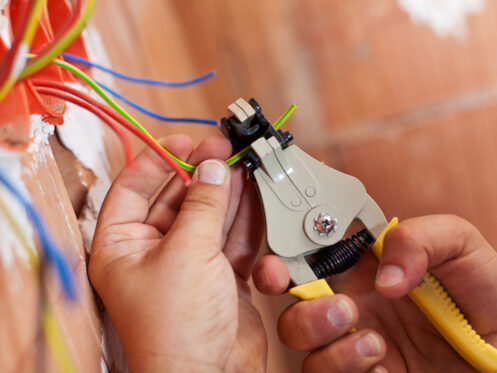
Old wiring has a way of hiding from you. You see the light switches and outlets every day, but you don’t see the wires behind them that were often installed for smaller homes with fewer devices. When you add today’s electronics, space heaters, and bigger appliances, that older system can start to protest in small ways, like flickering lights or outlets that feel warm. At Bryant Heating, Cooling, Plumbing & Electric in Bryant, OH, we help homeowners sort out which warning signs matter and what upgrades make the most sense for their house and budget.
Frequent Trips, Blown Fuses, and Circuits That Struggle
One of the clearest hints that wiring is outdated will show up at your electrical panel. If you reset breakers often or still replace fuses, the system may be running closer to its limit than it should. A modern household plugs in far more than the wiring in older homes was designed to support. Space heaters, large televisions, chargers, and kitchen appliances can all land on the same branch circuit. When that circuit can’t carry the load, the breaker trips to protect the wires inside the walls.
You might notice patterns. The breaker for the living room may click off whenever the vacuum and a space heater run together. Maybe a bedroom circuit goes dark every time someone uses a hair dryer. Those patterns tell you the circuit is doing more than it was built for or that the wiring has hidden damage that changes how it handles current. Resetting a breaker once after a storm can be normal. Resetting the same one again and again points to a mismatch between the wiring and the way the house is used now. This issue deserves a closer look from a licensed electrician.
Flickering Lights, Buzzing Devices, and Other Noisy Clues
Lighting is another place where wiring problems show up early. If a single bulb flickers, think first about the bulb or the fixture. If fixtures in several rooms flicker, dim, or pulse, especially when large appliances switch on, that can point to loose connections or aging conductors behind the walls. Light that dips every time the refrigerator starts or the furnace fan kicks in suggests that circuits are strained or that the service doesn’t handle the demand the way it should.
Your ears can help as well. Outlets, switches, and panels should stay quiet in normal use. A faint buzz, crackle, or sizzle when you flip a switch or plug something in can signal loose screws, worn contacts, or damaged wiring. Those tiny gaps allow electricity to arc, which creates heat that you can’t see. If you hear any sound that reminds you of a distant insect or a soft noise near an outlet or switch, treat it as a serious warning and stop using that location until an electrician checks it.
Warm Cover Plates, Burning Smells, or Discolored Outlets
No outlet or switch plate should feel hot under a normal household load. A slight warmth around a dimmer switch that controls several lamps can be common, since dimmers manage current differently, but the surface should never feel uncomfortable to the touch. If standard outlets or switches feel hot or if you notice brown marks at the edges of a cover plate, the wiring behind them may be carrying more current than it should or may have poor connections that generate hidden heat.
Smell is just as important. A light plastic scent, like a warm hair dryer, that hangs near a particular outlet or near the panel can signal insulation that has started to cook. If you notice that smell, or anything that reminds you of burning dust or hot electronics, turn off the circuit if you can do so safely. Then call an electrician for help. These signs don’t fix themselves and usually grow worse with continued use. An electrician can test the circuit, examine the wiring, and replace damaged devices before that heat leads to a fire in wall cavities or box interiors.
Two Prong Outlets, Old Cable, and Missing Protection
The style of your outlets tells a story about the age of your wiring. Two-prong outlets, with no ground opening, usually point to older wiring that was installed before grounded circuits were common. Without a reliable ground path, modern appliances, computers, and surge protectors don’t have the protection they were designed to provide. You may have adapters plugged into those outlets so that three-prong cords can fit, yet the hidden wiring still lacks a true ground, which raises shock and surge risks.
Hidden cable types also matter. Many older homes still have sections of cloth-covered wiring, aluminum branch circuits, or even knob and tube in out-of-the-way spaces. Each of these has its own concerns, especially when paired with modern loads. Heat buildup at connections, loose terminations, and insulation that breaks down with age can all create weak points in the system. If an electrician has flagged old cable types during past work or you see two-prong outlets in several rooms, it may be time to ask about a broader wiring evaluation and upgrades like grounded circuits, GFCI protection near water, and AFCI protection in living areas.
Extension Cords Everywhere And Not Enough Outlets
Many families live with more devices than their homes were wired for. You might notice that every bedroom has a power strip behind the nightstand, the living room television wall hides a nest of cords, and the home office relies on several extension cords to reach a distant outlet. This kind of setup often means the original wiring layout did not anticipate today’s electronics, and circuits that were meant for a lamp or two now feed a stack of chargers, computers, printers, and more.
Extension cords are designed for temporary use, not as permanent wiring. Long-term use can hide outlets from view, cover cords with rugs, and run power near spots where people walk, which raises tripping and damage risks. When cords live under furniture or along baseboards year after year, their insulation can wear, and any damage along the run is easy to miss.
Older Panels, Missing Labels, and Past DIY Modifications
Your main service panel gives more clues about wiring safety. A modern panel should have clear labels, breakers that match the panel type, and no empty slots with makeshift covers. If you open the door and see handwritten notes that don’t match your current layout, double-tapped breakers with more than one wire under a screw, or signs that someone swapped breakers without understanding the system, your wiring may not line up with current standards.
Some older panels also have known reliability issues, such as breakers that fail to trip when they should. In those cases, wiring can overheat while the breaker stays on, which defeats the purpose of having that protection at all. Rust inside the panel, evidence of past water leaks, or dark marks near breaker handles all call for a professional evaluation. Even if lights still work and outlets still power your devices, the safety margin built into the system may be thinner than you realize.
Give Your Home’s Wiring the Attention It Deserves
Once you start noticing signs of strain in your electrical system, it makes sense to get answers instead of guessing. A careful safety inspection can uncover hidden issues. In addition, wiring repairs, outlet upgrades, and panel work can bring your home closer to current standards. Our licensed electricians at Bryant Heating, Cooling, Plumbing & Electric handle everything from troubleshooting odd electrical behavior to planning code-focused upgrades that support your daily life.
If you want your wiring to match the way you use your home today, schedule an electrical safety visit with Bryant Heating, Cooling, Plumbing & Electric today. We serve Kentucky, Ohio, and Indiana residents.
